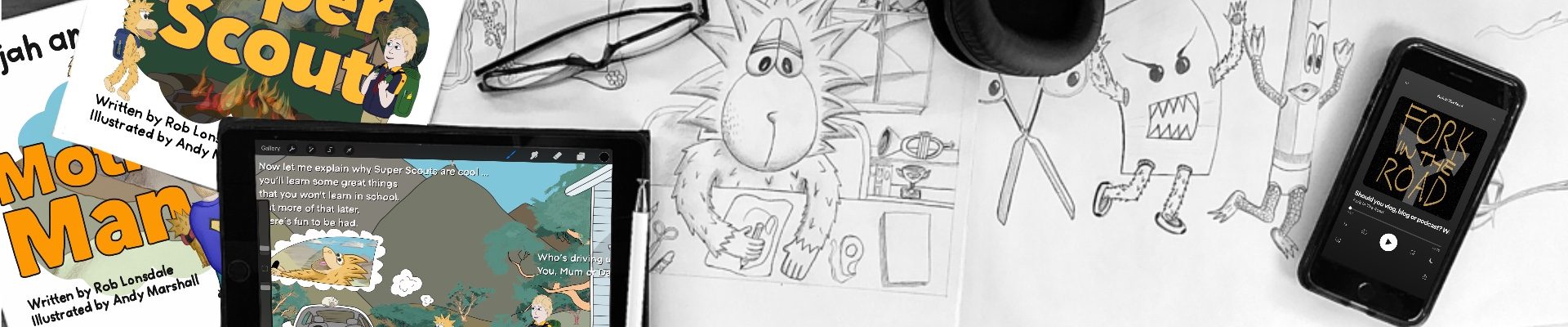
As much as I enjoy disappearing into the creative process like a hermit who’s forgotten society exists—a personal dream of mine—I know getting my art out into the world is also important to stop me from becoming a hoarder. Enter social media: the necessary evil I both loathe and grudgingly appreciate. For visual artists, platforms like Instagram, TikTok, and whatever we’re calling Twitter these days aren’t just black holes for your time; they’re lifelines for building a community, finding collectors, and stumbling across the rare people who might actually like what you do.

In what ways do you communicate online?
With so many platforms out there, where should you focus your energy? Here’s a brief breakdown of my top six social media sites for visual artists, why they’re essential, and how to make the most of them. Even though I might not be doing this exactly myself, this is kind of like my reminder of what I should be doing.
1. Instagram: The Visual Playground
Why Instagram?
Instagram remains the go-to platform for visual artists because it’s all about the visuals. Its image-first approach allows you to showcase your art, connect with followers, and sell directly through tools like Instagram Shopping. I haven’t yet set up a store on Instagram, but it’s definitely on my todo list.
Content Ideas:
- Art Showcase: Post finished pieces with engaging captions that tell the story behind the work. Or ask questions about the work or ideas around it.
- Reels: Create short videos of your process, from sketching to the final reveal.
- Carousel Posts: Share step-by-step guides or multiple angles of your art.
- Behind-the-Scenes: Let followers into your studio to see where the magic happens.
Strategy:
- Use hashtags like #kidsbookillustrator, #savetheplanet, and niche-specific tags to reach new audiences.
- Post consistently (2-3 times a week) and engage with comments and DMs to build a loyal following.
- Experiment with Instagram Stories and Polls to foster interaction. And respond to everyone, create conversations.
2. TikTok: The Viral Goldmine
Why TikTok?
TikTok’s algorithm rewards creativity, making it a powerful tool for reaching new audiences. Its short-form video format is perfect for sharing quick, engaging snippets of your process and personality.
Content Ideas:
- Time-Lapse Videos: Condense your painting process into a satisfying 15-60 second clip.
- Trendy Sounds: Incorporate popular audio to align your videos with trends.
- Challenges: Participate in art-related challenges or create your own.
- Art Hacks: Share quick tips or tricks that resonate with budding artists.
Strategy:
- Post 3-5 times a week to maximize visibility.
- Use captions and hooks that grab attention within the first few seconds.
- Engage with comments and collaborate with other creators to build your network.
3. X (formerly Twitter): The NFT Powerhouse
Why X?
X has become a major hub for the NFT community and digital artists, making it an essential platform if you’re involved in crypto art or want to connect with collectors. The platform thrives on quick updates, engagement with trends, and real-time conversations, making it perfect for promoting your work and networking.
Content Ideas:
- Drop Announcements: Share news about upcoming NFT drops or releases.
- Process Videos: Post short clips of your digital art coming to life.
- Collector Spotlights: Highlight buyers of your work and thank them publicly.
- Engage in Trends: Join art-related hashtags like #NFTArt or #DigitalArtist.
- Community Engagement: Participate in discussions about art, NFTs, and blockchain trends.
Strategy:
- Post multiple times a day to keep your profile active and visible.
- Reply to comments and retweet relevant content to build relationships in the art and NFT space.
- Use a mix of hashtags for discoverability, including those relevant to NFTs and digital art.
- Pin key posts (like NFT drops or portfolio highlights) to the top of your profile.
4. YouTube: The Authority Builder
Why YouTube?
YouTube allows for long-form content that builds authority and trust. It’s perfect for sharing in-depth tutorials, studio vlogs, and time-lapse videos. As the second largest search engine, it’s also a great way to get discovered by people searching for art-related content. Personally tho I mainly use it to livestream the creation of my work and share the process. I think it’s a great way to easily show the artist behind the work.
Content Ideas:
- Tutorials: Teach viewers how to draw, paint, or design.
- Studio Vlogs: Take your audience behind the scenes of your creative process.
- Q&A Sessions: Answer common questions about your art and process.
- Art Challenges: Document your participation in popular challenges like Inktober.
Strategy:
- Post at least once a week to keep your channel active.
- Use descriptive titles, tags, and thumbnails to make your videos clickable.
- Engage with viewers by replying to comments and asking for suggestions on future videos.
5. Facebook: The Community Connector
Why Facebook?
Facebook may seem dated, but it’s still a powerful platform for connecting with niche communities, hosting events, and selling your art. Facebook Groups, in particular, allow you to build a loyal fan base.
Content Ideas:
- Event Promotions: Share details about art shows or sales.
- Art Groups: Post in relevant groups to connect with other artists and potential buyers.
- Live Streams: Host live Q&A sessions or show off your process in real-time.
- Gallery Posts: Share albums of your work with purchase links.
Strategy:
- Join and actively participate in art-related groups.
- Post 1-2 times a week on your page and share to groups for additional reach.
- Utilize Facebook Ads for promoting your shop or upcoming events.
6. LinkedIn: The Professional Hub
Why LinkedIn?
LinkedIn might not be the first platform that comes to mind, but it’s ideal for connecting with galleries, collectors, and other professionals in the art world. It’s a great place to showcase your achievements and build professional relationships.
Content Ideas:
- Milestone Announcements: Share your latest exhibitions or awards.
- Case Studies: Highlight commissioned work or collaborations.
- Professional Insights: Write posts about your journey as an artist or industry trends.
- Networking Posts: Share shoutouts to galleries or artists you admire.
Strategy:
- Optimise your profile with keywords like “visual artist” and “art commissions.”
- Post once a week to keep your network engaged.
- Actively connect with curators, art consultants, and other artists.
Each of these platforms offers unique opportunities for visual artists. While it’s tempting to try them all, focus on 2-3 platforms where your target audience spends the most time. Consistency, creativity, and genuine engagement are key to growing your presence and making your art stand out.
Which platform is your favorite for sharing your art? Let me know in the comments!


Great insights! I’d love to hear more about your personal experiences with these platforms and any challenges you’ve overcome.
LikeLiked by 2 people
Instagram is by far my favourite at the moment. It’s great for connecting with other artists by asking a question or doing a poll on stories and DM’ing other artists. It has been a good way to start conversations an build your artistic community. YouTube is the hardest to crack but it’s content that can be discovered years in the future due to search ability and the fact that YouTube is a search engine.
LikeLiked by 1 person
Wow very informative.
LikeLiked by 1 person
Thank you 👍
LikeLiked by 1 person
You are welcome.
LikeLike