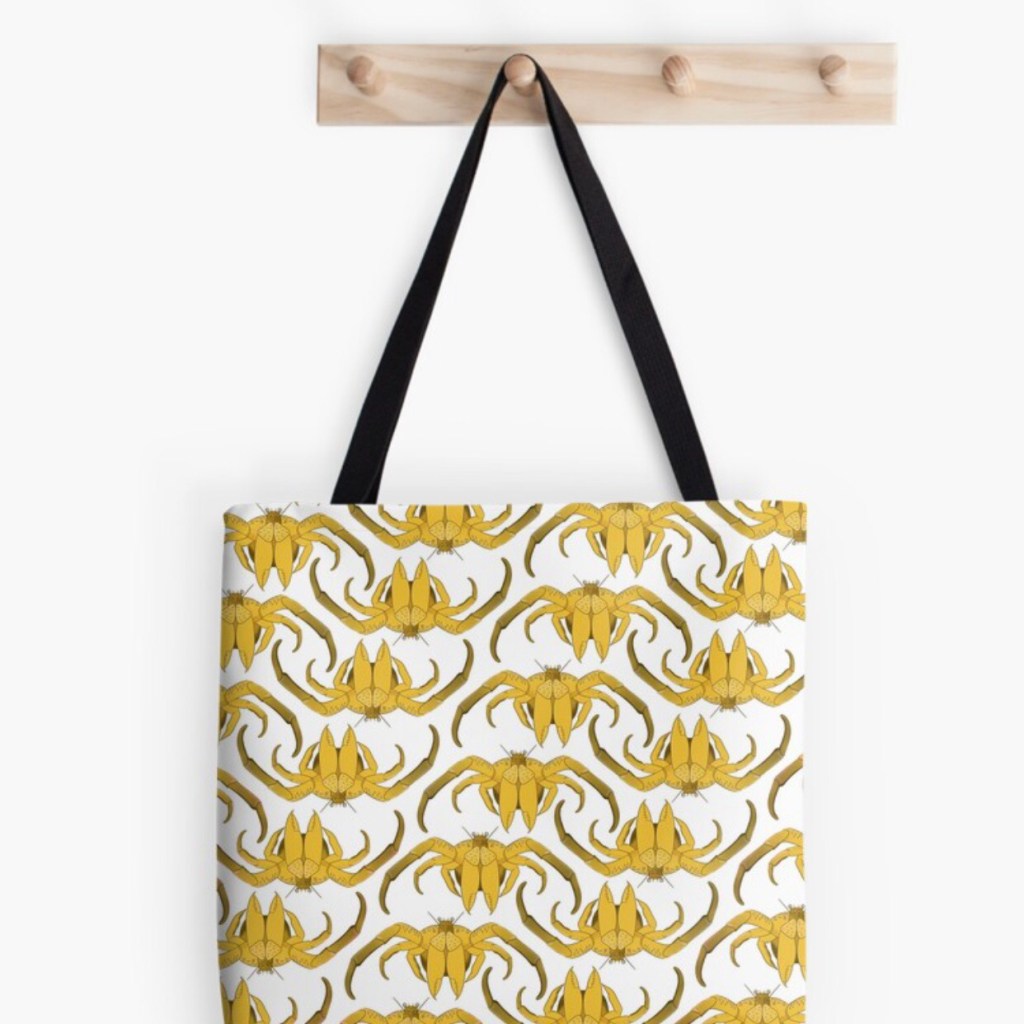
In a world filled with predictable patterns and designs, embracing the uncommon can be a refreshing change. A coconut crab print bag embodies this spirit of individuality and creativity. It’s a celebration of the extraordinary, a nod to those who dare to be different and aren’t afraid to express their weird style.
What is a word you feel that too many people use?
In the bustling world of creativity and artistry, there’s a particular word that seems to linger like an unwelcome guest at a party: “should.” It’s tossed around in conversations, advice, and even our own self-talk, but for the thriving artist, this word can be a detrimental force, stifling creativity and curbing the joy of artistic expression.
The word “should” is often used to prescribe a certain course of action, implying obligation or expectation. It’s the voice that whispers, “You should paint in this style,” “You should market your art like that successful artist,” or “You should focus on what’s commercially viable.” While well-meaning, these “shoulds” can trap artists in a cycle of comparison and self-doubt, stripping away the very essence of what makes art unique—authentic self-expression.
The moment we start to focus on what we “should” do, we begin to stray from our true artistic path. “Should” suggests there is a right and wrong way to create, a rigid framework within which art must fit. This is a lie. Art is, and always has been, a realm of freedom and exploration. There are no boundaries, no definitive rules. Yet, the “should” mentality imposes limitations, making artists feel as if they must conform to external standards to be successful.
For instance, an artist might feel they should use more popular themes in their work to gain traction. While this might bring short-term attention, it can also lead to a disconnect from their true creative desires, resulting in work that lacks authenticity and passion. When artists follow the “shoulds,” they risk losing the unique voice and perspective that make their art compelling.
To thrive as an artist, it’s crucial to break free from the constraints of “should” and embrace the boundless possibilities of “could.” This shift in mindset opens the door to experimentation, allowing artists to explore new mediums, styles, and subjects without fear of judgment or failure. Instead of asking, “What should I do?” consider asking, “What could I create?” This simple change fosters a mindset of curiosity and possibility, empowering artists to take risks and push the boundaries of their creativity.
Thriving artists are those who remain true to themselves, who create not out of obligation but out of a deep-seated need to express their inner world. They understand that the path to success is not paved with “shoulds,” but with authenticity and passion. By rejecting the notion of “should,” artists can forge their own paths, leading to work that resonates on a profound level with both themselves and their audience.
Ultimately, art is about freedom—the freedom to create, to explore, and to express without fear of failure or judgment. By shedding the weight of “should,” artists can embrace this freedom fully, allowing their creativity to flourish in unexpected and exciting ways.
So, the next time you find yourself pondering what you “should” do as an artist, pause and reflect. Remember that there is no right way to create, only your way. Trust in your instincts, follow your passions, and let your art be a true reflection of who you are. Embrace the freedom to create without limits, and watch as your creativity blossoms in ways you never imagined possible.
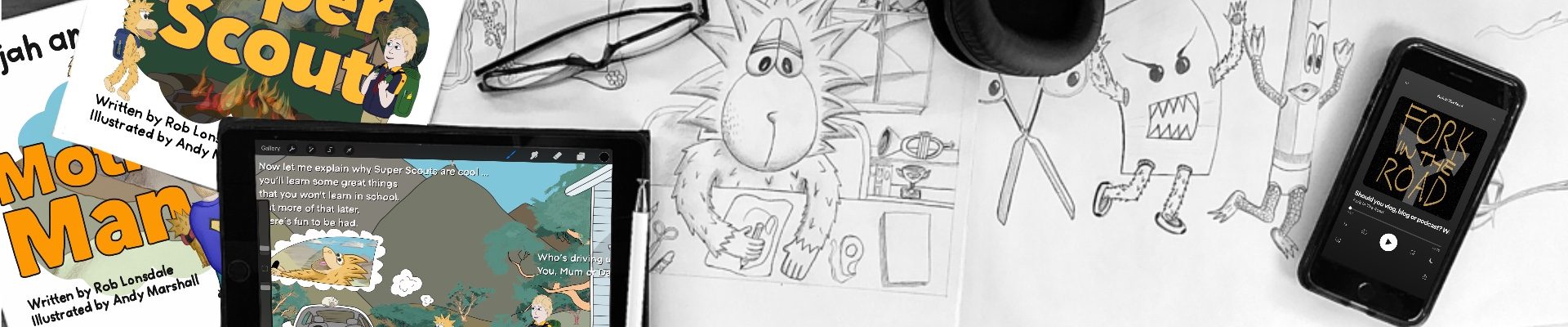
 Kids Book Illustrator Andy C Marshall