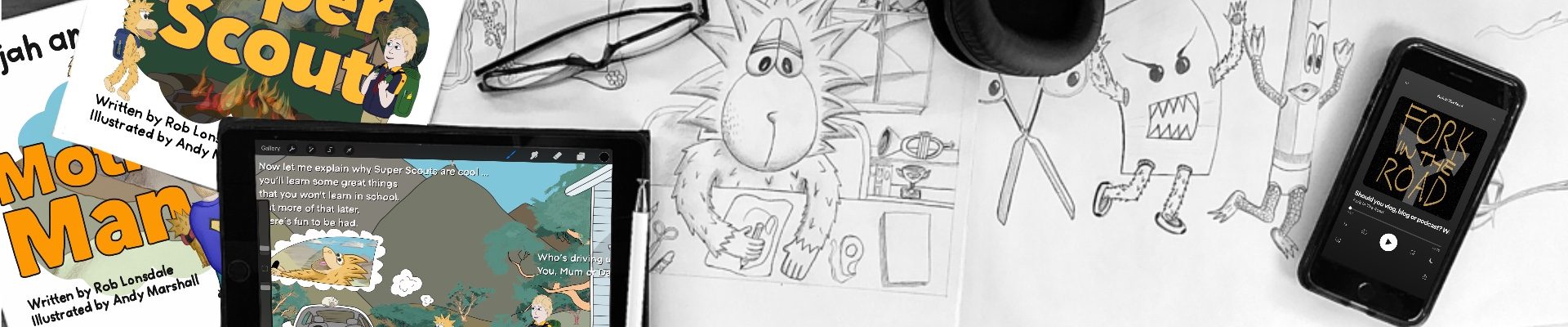
It’s the one thing that can simultaneously make you feel like a misunderstood genius and a complete hack. Asking for feedback is like voluntarily walking into the lion’s den covered in gravy. Trust me, there’s value in it. and if not, at least it’s entertaining for any onlookers. Even when that value feels like someone just did the cannonball on your fragile artistic ego.
When you’ve stared at your work for hours—or days—you can lose all objectivity. Is it brilliant or is it trash? And is your trash brilliant? This is where collaboration or feedback comes in handy. Sharing your artwork with other creatives or friends can give you fresh eyes and, if you’re lucky, a few “oh wow, I didn’t see it that way” moments.
Not every piece of feedback will be helpful. However, you’ll start to notice patterns in feedback that resonate with you and, maybe, those happy accidents you were going to throw out suddenly feel like hidden gems.
Collaboration doesn’t mean you’re losing control over your work. It’s more like inviting someone to point out the spinach stuck in your teeth—you know, the glaring stuff you somehow missed. And feedback isn’t a personal attack. It’s part of the process of growth, evolution, and figuring out how to make your next piece just a little less terrible than the last.
In the end, it’s all about perspective, really. You can sulk in the corner, convinced the world doesn’t “get” you, or you can embrace the uncomfortable, awkward beauty of feedback and collaboration as a way to improve. Let’s face it—if we were all brilliant from the start, it wouldn’t be nearly as fun, or satisfying, to get better.
Share your work, brace yourself for the mixed bag of reactions, and find hope in the fact that each critique, no matter how misguided it may feel, is just another step in the messy, thrilling, frustrating, glorious journey of being a creative.
 Kids Book Illustrator Andy C Marshall