Artists have always had endless debates and controversies when it comes to new tools and techniques. Today, AI is the latest “disruptor” in the art world. But is it really that different from the innovations artists have always used to bring their visions to life? What about histories greats? How have they used the tools of their time to make art, and why AI should be seen as just another instrument in an artist’s toolbox.
Vermeer’s Camera Obscura: An Early “Cheat”?
When we think of Johannes Vermeer, we often imagine his mesmerising scenes of everyday life, where the light seems almost tangible. But Vermeer didn’t achieve this realism by mere chance. Many art historians believe he used a camera obscura—an early optical device that projected an image onto a surface to help him capture the intricate details of his subjects.
Was Vermeer “cheating” by using this tool? It just provided a new way of seeing. The artistry was still in Vermeer’s hand, his eye for composition, and his ability to create emotion from what could have been a simple domestic scene. The device was a tool to achieve his vision more precisely.
Andy Warhol’s Soup Cans: Art or Mass Production?
When Andy Warhol made waves with his paintings of Campbell’s soup cans. Warhol’s work blurred the lines between art and mass production, embracing commercial techniques like screen printing to create his iconic pieces. Was this a step back from “true” art? Many traditionalists might say yes, but Warhol’s work wasn’t about technique; it was about making a statement on consumerism, mass culture, and the nature of art itself. He used the tools of his time to comment on his world.
What About Photography?
Photography is another example of a tool that once challenged the definition of art. When the camera was invented, many feared it would make painting obsolete. After all, why would anyone spend hours painting a realistic portrait when a camera could capture it in an instant? Yet, photographers soon showed that their art was not just about snapping pictures. It was about framing, timing, composition, and capturing the essence of a moment. The camera might use science to capture an image, but it is the artist’s eye and choices that make the photograph meaningful.
Realistic Representations: Who Gets the Credit?
Artists throughout history have painted stunningly realistic representations of buildings, statues, and other works of architecture. But when we admire a painting of a cathedral, do we think about the architect who designed it, or the stonemason who carved its columns? Rarely. The artist’s role is not to invent the subject from scratch, but to interpret it, to evoke emotion, and to share a perspective. Tools, references, and sources are part of this process, not something that diminishes the artist’s role.
How is AI Any Different?
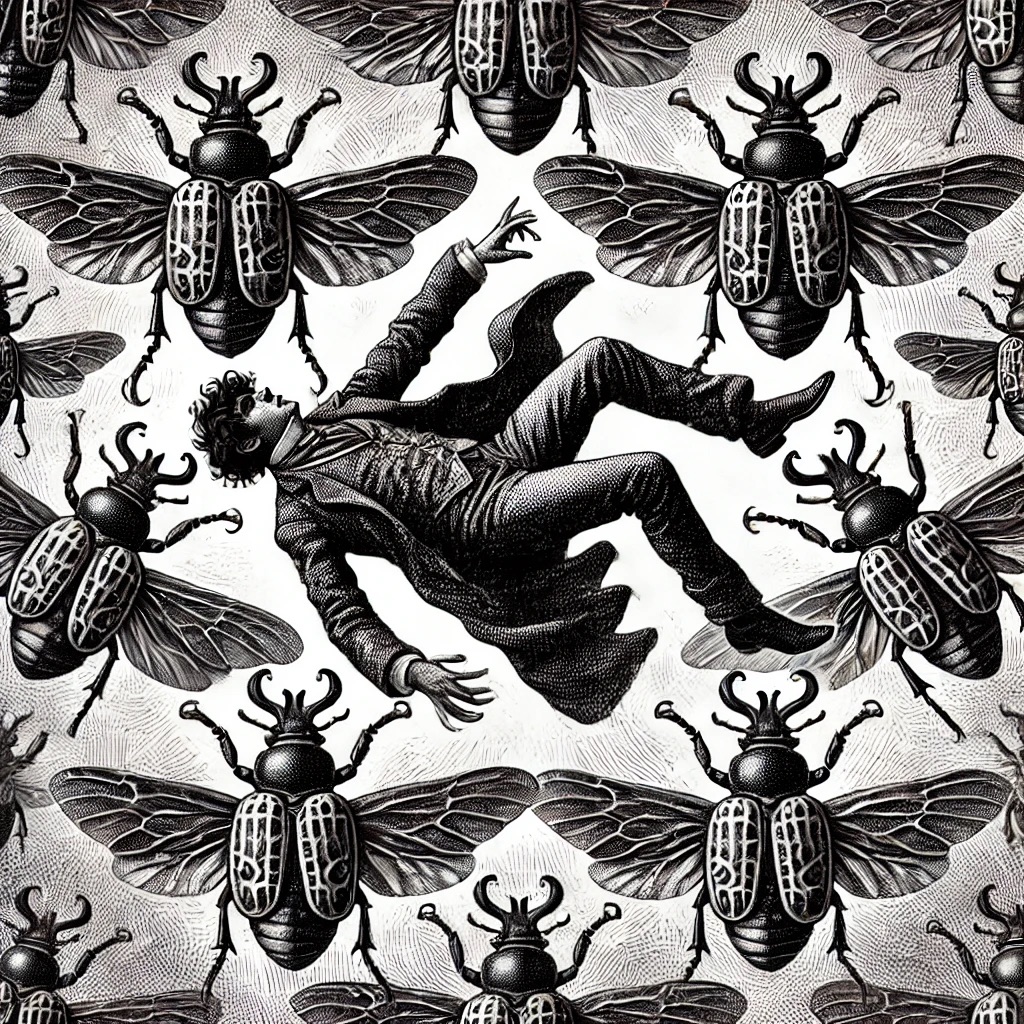
In the same way Vermeer used the camera obscura, Warhol employed screen printing, and photographers manipulate their lenses, AI is just another tool for artists. It provides new capabilities—an ability to generate, transform, and remix images in ways that were previously impossible. But, like any tool, it requires the artist’s touch to breathe life into the final work. The AI isn’t doing the “art” for the artist any more than a camera did for a photographer, or the camera obscura did for Vermeer.
The Subjectivity of Art: Good, Bad, and Everything in Between
The truth is, art has never been defined solely by how it’s made, or how long it took to create. There has always been what we might call “good art” and “bad art,” regardless of the tools used. An exquisite painting can fall flat if it doesn’t evoke an emotional response, while a rough sketch can captivate an audience by conveying raw energy and passion.
AI art will be no different. There will be works generated by AI that feel flat and uninspired, and there will be pieces that astonish, inspire, and move people. The quality of the art will come down to whether the end result captures the viewer’s imagination, opens their minds, connects with them emotionally, or transports them to another dimension.
The Role of the Artist Remains Unchanged
At its core, the artist’s job has always been to create emotion and tell stories through a unique language—whether that language is paint on canvas, pixels on a screen, or algorithms in a computer. The tools evolve, but the purpose remains the same. It’s not about how hard it was to make or how many hours went into studying the craft. It’s about the relationship between the art, the artist, and the audience.
Ultimately, AI is a tool like any other, and its value is defined by the creativity and intention of the artist wielding it. The heart of the art remains in the human experience, in the ideas that drive its creation and the impact it has on those who encounter it. Like all tools that have come before, AI has the potential to transform how we create and experience art, but it will always be artists who breathe life into the machines and turn technology into poetry.
Art Is in the Eye of the Beholder
If there’s one thing that’s always been true about art, it’s that beauty is in the eye of the beholder. What resonates with one person may not resonate with another, and that’s what makes art so captivating. There are no strict rules on how art should be made or what tools should be used.
So, as AI continues to evolve and make its way into the art world, let’s keep an open mind. Just like the tools of the past, AI will become what we make of it. It’s not about replacing artists but empowering them to tell stories in new and innovative ways. And if the end result speaks to someone—if it captures an emotion, evokes a memory, or inspires wonder—then it has done what art has always been meant to do.
 Kids Book Illustrator Andy C Marshall