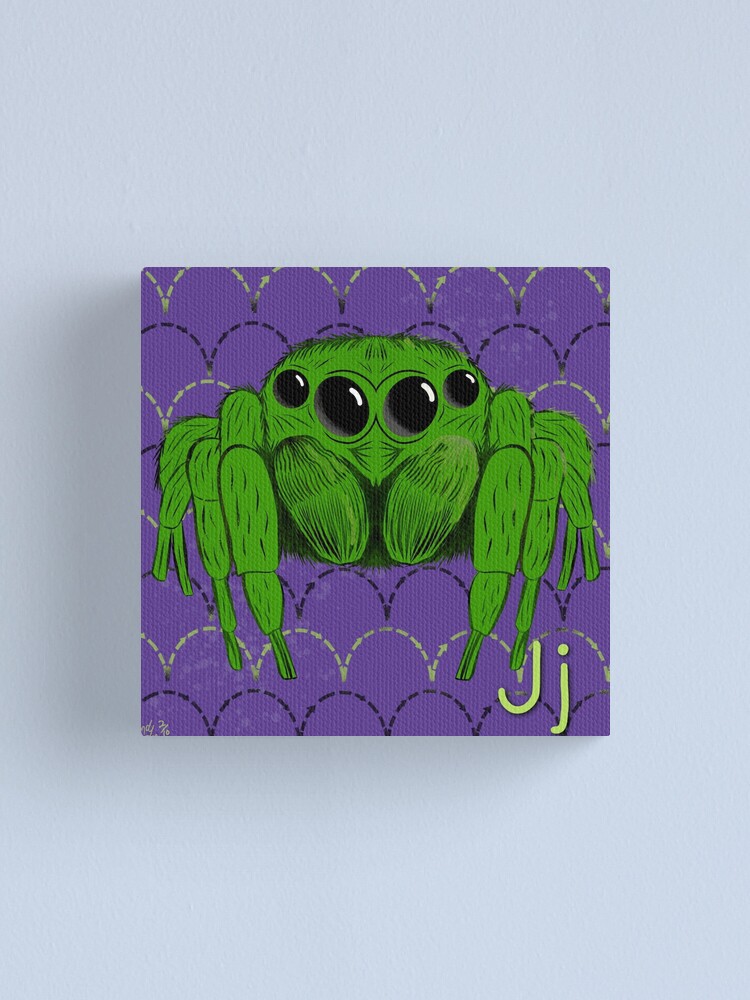
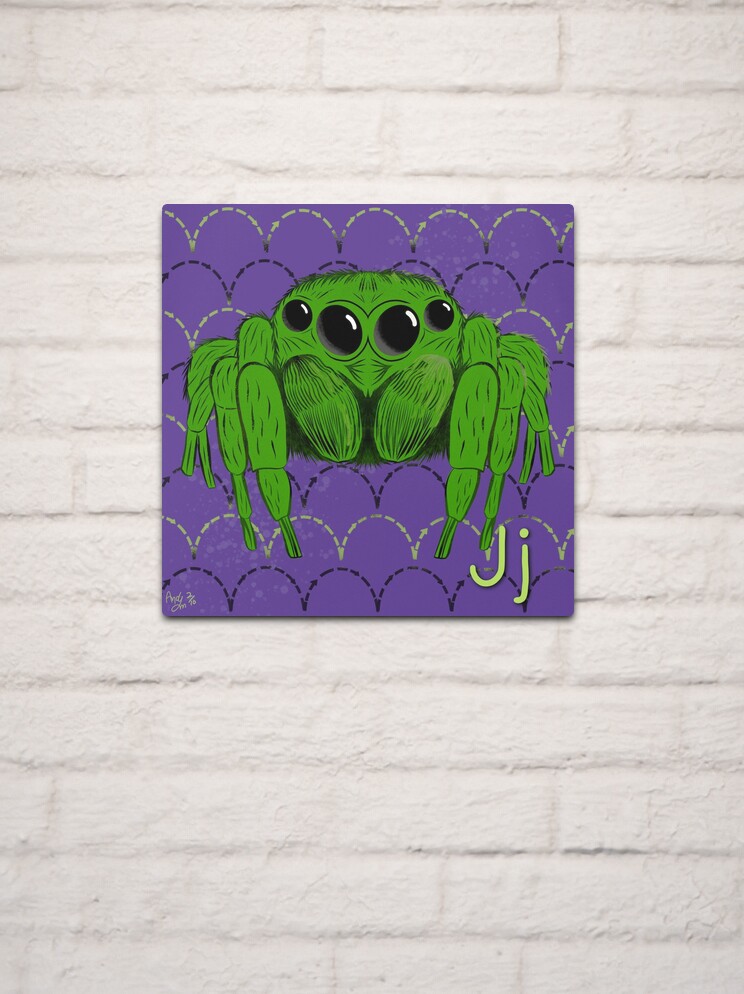
Meet my green jumping spider, the star of this limited edition wall art from my kids’ book Uncommon Animals of the Alphabet. This little arachnid packs more charm than creepiness with its big, curious eyes and lively design. It’s part of my effort to celebrate lesser-known creatures and bring them into your home as bold, eye-catching art.



But you may be wondering—why bother promoting this or any other artistic product on Pinterest? Isn’t that platform just for recipes and DIY projects? Actually, no. Pinterest is an often-overlooked powerhouse for artists like me. Let’s dive into why it’s a vital part of a thriving artist’s strategy and how to use it effectively.
Why Promote Wall Art on Pinterest?
- It’s a Visual Search Engine
Pinterest isn’t a social media platform—it’s a visual search engine. People come here looking for inspiration, ideas, and products to buy, making it a goldmine for showcasing art. - Longevity of Content
Pins have a lifespan that far outstrips a Facebook post or Instagram story. A pin can continue to bring traffic to your art years after it’s posted. - Target Audience
Pinterest users are often buyers. Many are looking for home decor, gifts, or personal inspiration, which aligns perfectly with wall art and artistic products. - Traffic to Your Website
Every pin links back to a source—your website, store, or blog. This makes Pinterest a tool for both visibility and direct sales.
Step-by-Step Guide: How to Promote My Jumping Spider Wall Art on Pinterest
1. Optimise the Artwork for Pinterest
- Aspect Ratio: Create a pin image with a 2:3 ratio (e.g., 1000x1500px) for the best visual impact.
- Add Context: Overlay text like “Jumping Spider Limited Edition Print” or “Wall Art from Uncommon Animals of the Alphabet” for clarity.
- High-Quality Image: Use a crisp, vibrant image of the art itself or a mockup of it in a stylish interior.
2. Write a Pin Description
- Be keyword-rich. For example: “Bring unique charm to your walls with this green jumping spider limited edition print, inspired by Uncommon Animals of the Alphabet. Perfect for kids’ rooms, nurseries, or nature lovers. Limited quantities available—click to shop!”
- Include relevant terms like “unique wall art,” “kids’ decor,” and “nature-inspired art.”
3. Create a Pinterest-Friendly Blog Post
- Write a post like this one. Link your blog post to the pin so that interested users can learn more about your art and your process.
4. Pin to the Right Boards
- Create thematic boards like “Unique Wall Art,” “Nature-Inspired Home Decor,” or “Art for Kids’ Rooms.”
- Use group boards (boards shared by multiple users) to increase visibility.
5. Schedule Pins
- Use a tool like Tailwind to schedule your pins at optimal times. Regular pinning (about 10-15 pins per day) keeps your content circulating.
6. Engage with the Community
- Comment on or save pins from others in your niche. Pinterest rewards engagement with better visibility.
7. Monitor and Adjust
- Use Pinterest Analytics to track which pins perform best. Tweak your descriptions, hashtags, or visuals based on this data.
Why Does This Work?
People use Pinterest with intent. They’re often in the mindset to explore, plan, or purchase. By tapping into this platform, you’re not just showing off your art—you’re putting it where people are actively looking for something just like it.
So, if you’ve been hesitant to dive into Pinterest, consider this your gentle nudge. Start with this green jumping spider, and who knows? Maybe it’ll leap into someone’s shopping cart.
 Kids Book Illustrator Andy C Marshall