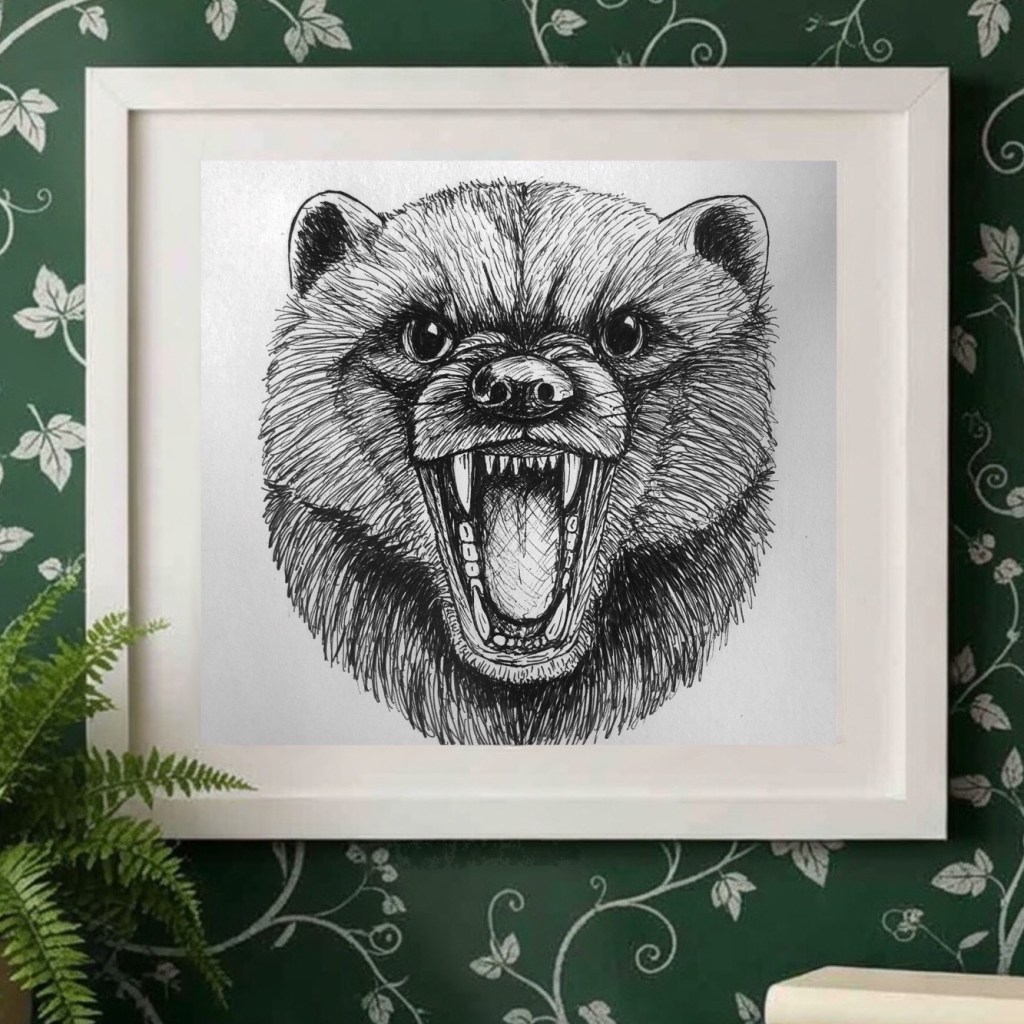
A Komodo dragon does not need a name tag, and a wolverine is not secretly dreaming of a warm lap by the fire. These animals carry something older than comfort, something sharp and intact, and the closer you look the more obvious it becomes that trying to turn them into pets is less about companionship and more about control, about taking something whole and sanding it down until it fits inside a human shaped idea of affection.
Even the quieter ones, the ones that might trick you at first glance, hold their ground if you really see them. A platypus is not cute in the way we think it is, it is strange and ancient and wired to a rhythm of water and mud that no backyard pond could ever replace. A thorny devil looks like a creature designed by a fever dream, but every spike and groove is part of a system that keeps it alive in a place most of us would not last a day. A yeti crab farms bacteria on its own body like a living garden in the dark, which is a kind of independence that makes the idea of ownership feel a bit crazy.
What animals make the best/worst pets?
The truth sitting underneath all of this is simple and a bit uncomfortable, most animals do not want to be pets because they are not missing anything. They are not waiting for us to complete them. They are not lonely in the way we project onto them. They are already embedded in systems of land, water, predator, prey, season, and survival that make our version of care look small and a little bit naive.
Dogs and cats are the exception, and even they come with a long shared history that reshaped both sides of the relationship. They met us halfway over thousands of years, not because we are masters, but because something in that exchange worked for both species. That kind of relationship cannot be forced, it cannot be fast tracked, and it definitely cannot be applied to a coconut crab or a vampire bat just because we think they would look interesting on a social media post.
This is part of what sits at the heart of Uncommon Animals of the Alphabet. It is not just about showing kids weird and wonderful creatures, it is about quietly shifting the lens, moving away from the idea that animals exist for us to own, hold, or display, and toward the understanding that they exist alongside us, each one carrying its own logic, its own beauty, its own reason for being here.
When a child looks at a dumbo octopus drifting through the deep or a narwhal cutting through Arctic water, there is a moment where the world opens up a little, where the question changes from can I have this to how does this live. That shift matters. That is where curiosity replaces control, and where respect begins to take root.
The deeper you go into these animals, the harder it becomes to see them as possessions and the easier it becomes to see them as stories, as systems, as living expressions of a planet that is far more imaginative than we give it credit for. And maybe that is the quiet lesson running through all of this work, that the goal is not to bring the wild into our homes, but to remember that we are already inside it.
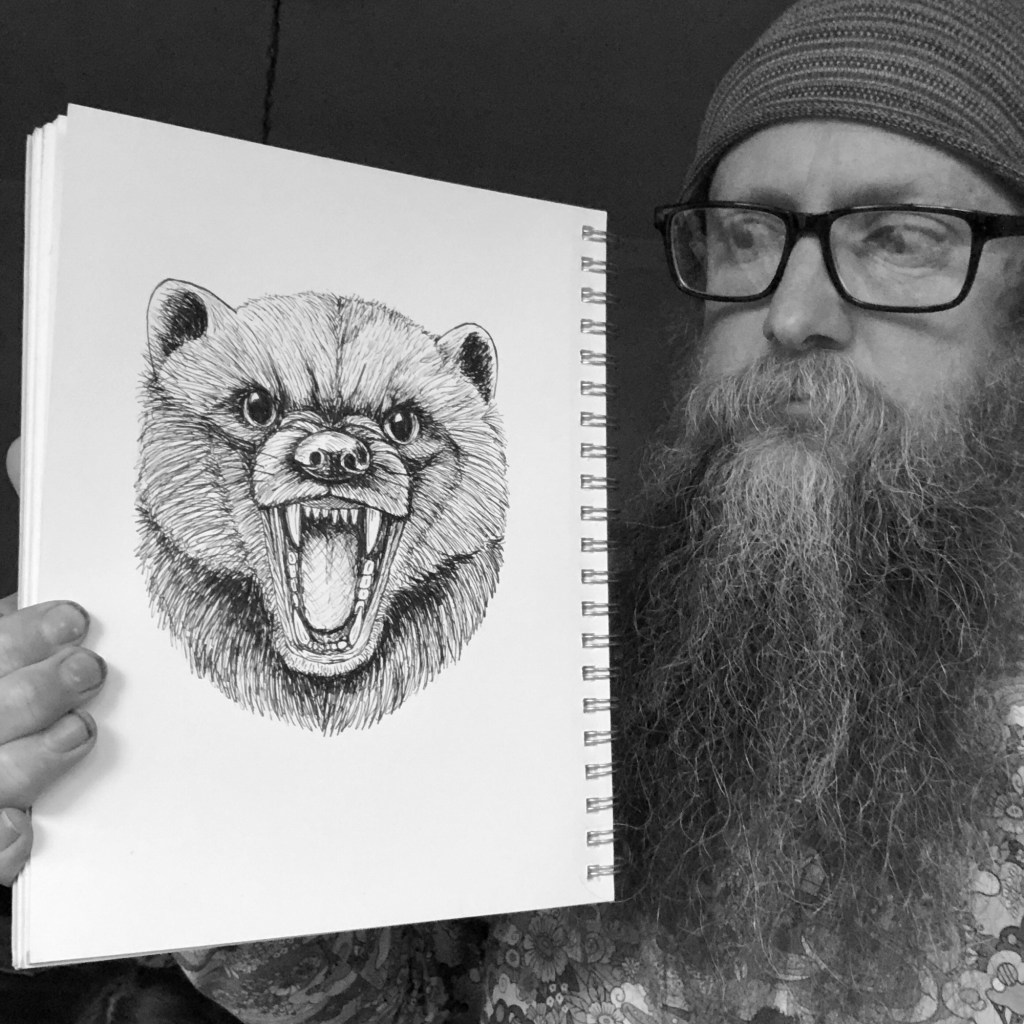
 Kids Book Illustrator Andy C Marshall