For a long time I believed we were living through the end of the gatekeeper era. The internet arrived and suddenly artists could publish their own work, musicians could release their own albums, filmmakers could share their own films and writers could reach readers directly. It felt like a revolution. The walls had come down and the gates had been thrown open. Anyone with enough determination could build something and put it into the world.
The problem is that nature hates a vacuum and so do systems built around money. The old gatekeepers slowly disappeared, but new ones emerged to take their place. They looked friendlier. They promised freedom, convenience and access to massive audiences. They told us they would solve all the difficult problems that creators faced. Many of them genuinely did make things easier, at least in the beginning.
almost every interaction is filtered through a corporation that wants its share of the transaction
Today most artists find themselves working inside ecosystems owned by somebody else. Musicians rely on streaming platforms. Authors rely on publishing platforms. Podcasters rely on podcast platforms. Visual artists rely on social media platforms to reach audiences. Each platform offers convenience, distribution and visibility. In return they take a slice of the value being created, sometimes directly through fees and commissions, sometimes indirectly through control of audience access.
The arrangement seems reasonable at first. After all, the platforms provide infrastructure and audiences. They make it easy for people to discover our work. The problem appears later when creators realise they do not actually own the relationship with the people who support them. An artist can spend years building a following on social media only to discover that a change to an algorithm dramatically reduces their reach. A musician can accumulate thousands upon thousands of streams and receive a payout that barely buys lunch. A creator can wake up one morning and find that the rules have changed without consultation and without warning.
What fascinates me is how many artists still think they are independent while building entirely on land owned by somebody else. It is a bit like spending twenty years building a beautiful house on a property that belongs to another person. Everything feels secure while the owner is happy. The moment they decide to change the terms, raise the rent or bulldoze the block, you discover how little control you actually had.
I am not arguing that we should abandon these platforms. I use them myself. They are useful tools and they help people discover my work. The mistake is treating them as foundations rather than tools. A hammer is useful for building a house, but you would not build the house out of hammers. Social media, streaming platforms and publishing services can help people find you, but they should not become the entire structure supporting your creative life.
The more I think about it, the more I believe the most valuable thing an artist can own is not a social media account, a streaming profile or a storefront on somebody else’s platform. The most valuable thing is a direct connection with the people who care about their work. That connection is increasingly rare in a world where almost every interaction is filtered through a corporation that wants its share of the transaction.
That is why I keep coming back to websites and email lists. They are not fashionable. Nobody is breathlessly talking about the future of websites at conferences. Nobody is producing dramatic videos about the revolutionary power of email newsletters. They are boring, dependable and about as exciting as a good pair of work boots. Yet some of the most important things in life are exactly that.
A website is a place where your work lives under your control. It is your patch of ground. Nobody can decide that your art is no longer profitable enough to show people. Nobody can quietly reduce your visibility because a spreadsheet suggests a different content format is performing better. Nobody can place a wall between you and the people who intentionally came looking for what you make. The rules are yours.
An email list is even more powerful because it creates a direct line between artist and audience. No algorithm decides who gets to see your message. No platform determines whether five percent or fifty percent of your supporters are allowed access to what you create. The connection belongs to the two people involved. In an increasingly crowded digital world, that feels almost radical.
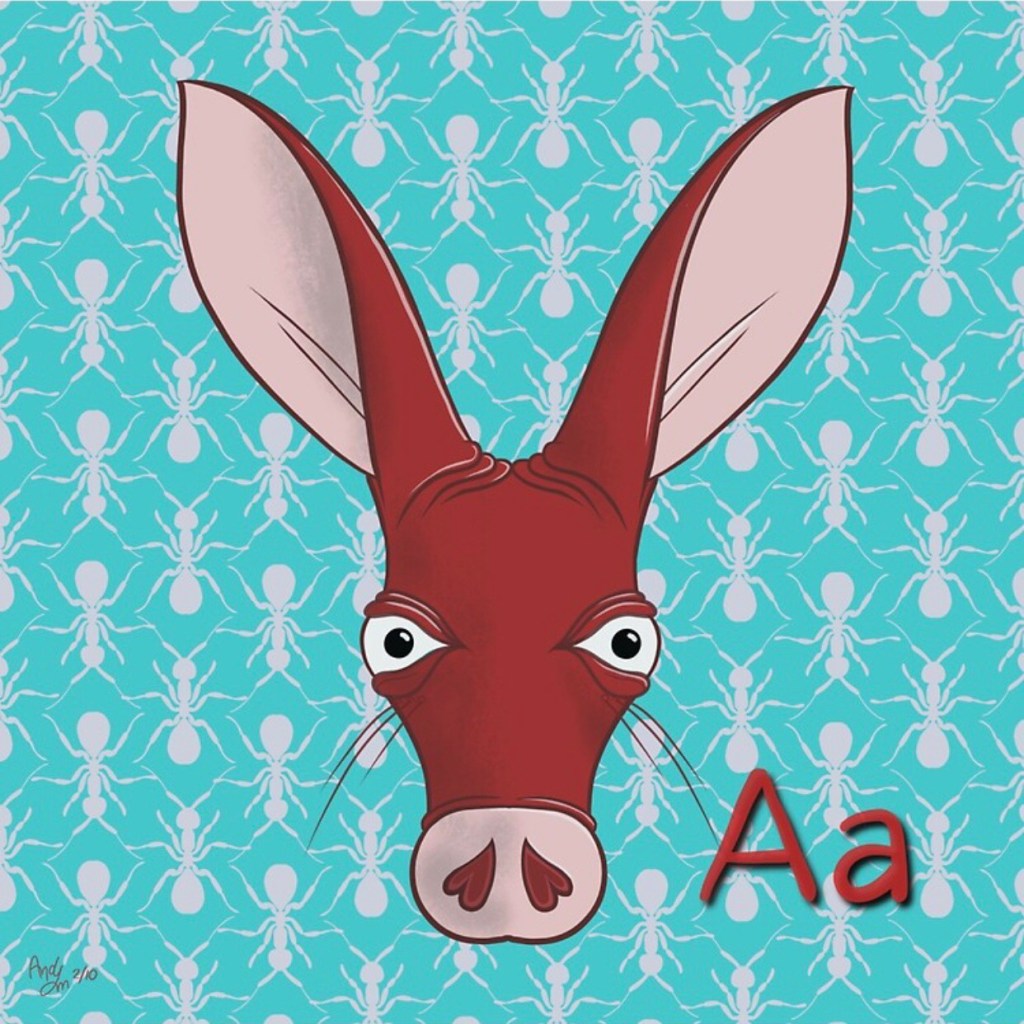
I often think about the aardvark when I consider these things. It survives because it occupies its own niche and quietly gets on with the work of being an aardvark. It does not spend its days trying to impress every other animal on the savannah. It does not chase trends. It does not panic every time the ecosystem shifts slightly. It understands its place in the landscape and adapts accordingly. There is probably more business wisdom in that strange animal than in half the entrepreneurial books on the market.
The goal is not to eliminate every gatekeeper. That is probably impossible. The goal is to make sure that no gatekeeper becomes so important that your entire creative life depends on their approval. Use social media. Use streaming services. Use publishing platforms. Let them help people discover your work. Just remember that they are rented ground. The safest long term strategy is still to build something you own.
The old gatekeepers controlled access to audiences. The new gatekeepers control access to attention. Both make their living by standing between creators and the people who value what they create. That is why I keep investing my energy into my own website and my own email list. They might grow more slowly than the latest platform, but they belong to me. If there is a gatekeeper there, it is the person staring back at me in the mirror every morning.
That feels like a much healthier arrangement than handing the keys to somebody whose primary responsibility is not to artists, readers, listeners or collectors, but to shareholders. The more the online world changes, the more convinced I become that the most future proof thing a creator can build is not a bigger following on somebody else’s platform. It is a direct relationship with the people who genuinely care about the work.

