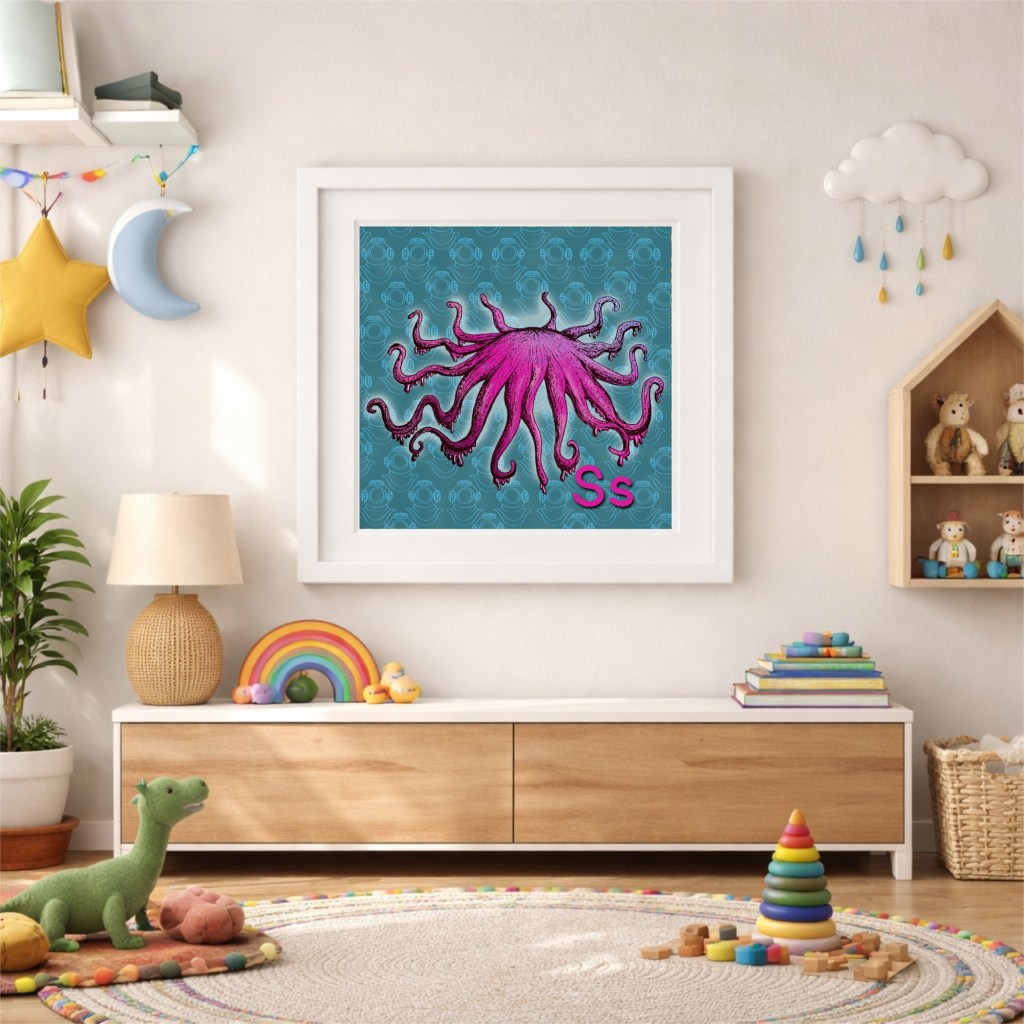
When I make sunflower art it was never going to be proper garden sunflowers turning obediently toward the light. The version that found its way onto my drawing table was the sunflower sea star, a creature famous not just for its sheer size but for the surprising speed it can move across the ocean floor, a many armed giant that shifts with an urgency most people never expect from a sea star, which is exactly why it earns its place among the Uncommon Animals of the Alphabet. This piece carries a strange tension though, because I am not entirely sure it belongs in the book at all, as it leans toward sadness and sits slightly outside the original promise I made to myself about what these works were meant to do.
I keep thinking about lying on the lounge room floor as a kid watching documentaries by David Attenborough. I loved the animals completely, the wonder of them, the feeling that the planet was impossibly alive and full of characters stranger than anything invented by humans. Then the soundtrack would change and suddenly machines appeared, forests falling, habitats disappearing, and something heavy would land in my chest. As a child I never quite understood what I was supposed to do with that feeling. Was I meant to feel responsible for the damage simply because I was human. The awe would collapse into guilt, followed by helplessness, and the magic of discovery quietly drained away.
I understand why those stories were told that way. They were trying to wake people up, to grow a generation that cared enough to protect what remained. In many ways it worked on me, but I also remember resisting the emotional weight of it. With my own books I am trying to walk a different path. I do not want people, especially kids, to feel shame about being human. I want them to feel curiosity first, amazement second, and connection slowly growing underneath both. Awareness born from wonder tends to last longer than awareness born from fear or guilt.
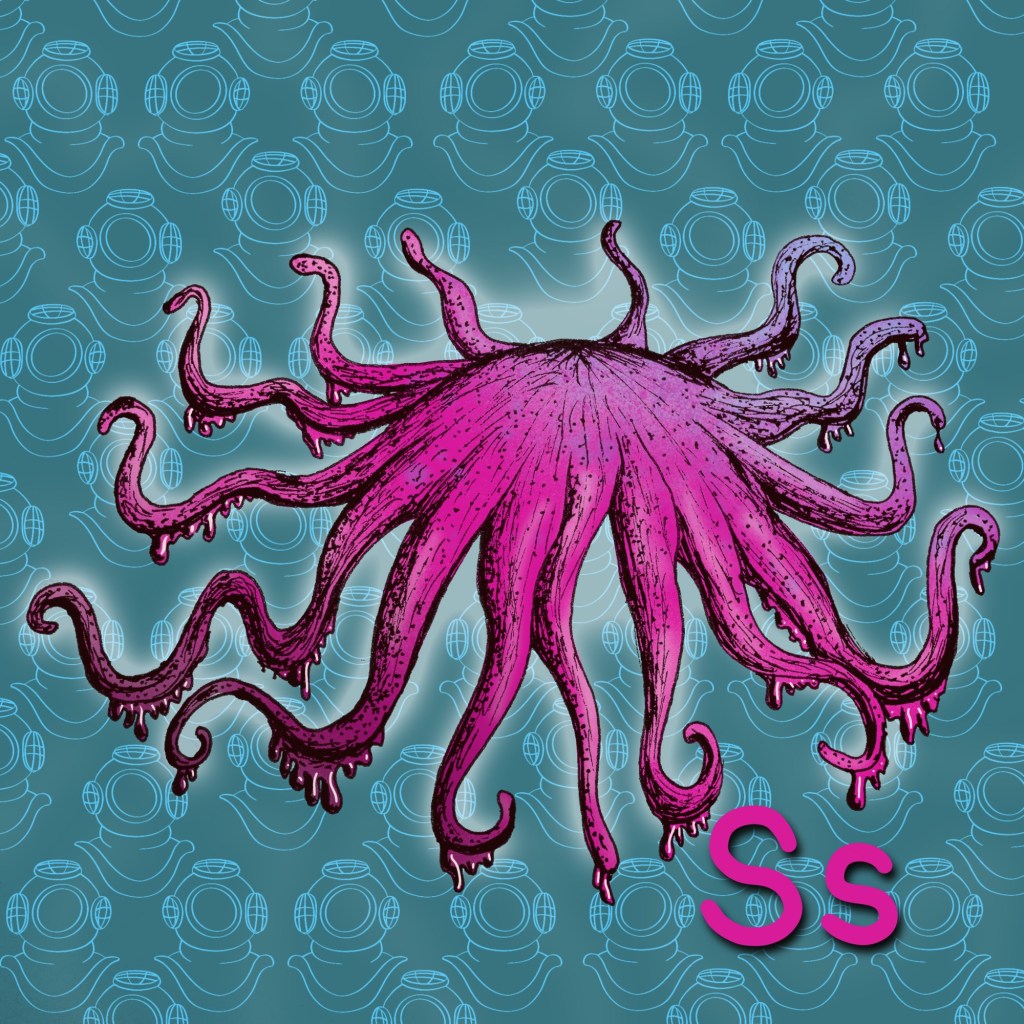
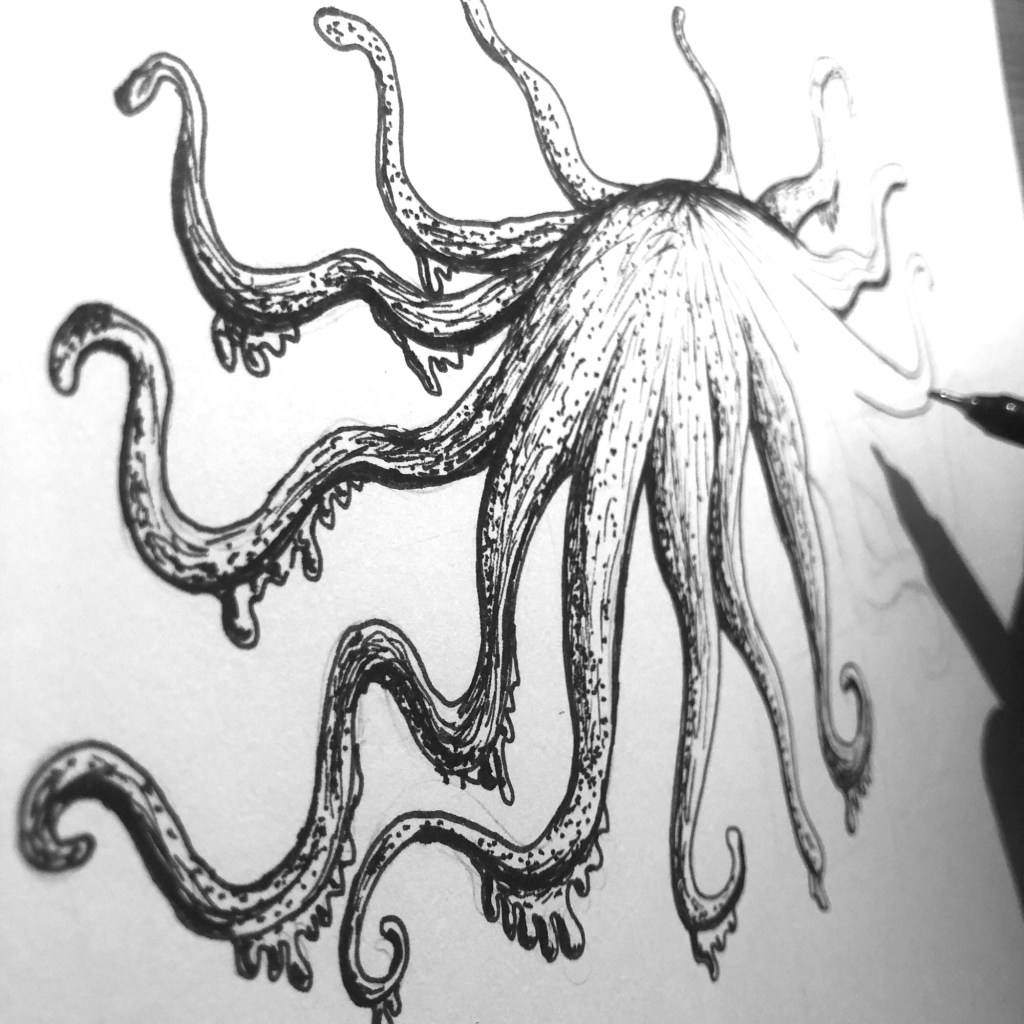
While working on this sunflower sea star I got tempted to draw the truth more literally, the animal dissolving, the quiet tragedy currently unfolding with Star wasting disease. That impulse made me realise the work was drifting away from celebration and toward mourning. Maybe there is a place for that kind of image one day, but this project began as an invitation into the living world rather than a warning sign at the gate. So I think this version for now, will just live on as wall art but not in the book.
What are three objects you couldn’t live without?
There are no objects or things I couldn’t live without, but we all need clean water moving through our bodies and landscapes. We need energy from the sun, whether directly through leaves or indirectly through the long chains of life that feed one another. We need breathable air or oxygen dissolved in water. We need habitat, a place where life can unfold without constant disruption. And we need connection, the ecological relationships that make survival possible, because nothing truly lives alone, not even humans pretending otherwise.
Maybe that is the quieter message sitting underneath this piece. Not guilt, not despair, just recognition. The sunflower sea star is strange, beautiful, vulnerable, and bound to the same living systems that keep farms, forests, oceans and people alive. When we notice that shared dependence, care tends to follow naturally.

